
Meanwhile, FreshBooks has the same starting price as QuickBooks Self-Employed—but it does all of the above invoicing tasks and then some. To create a new invoice, simply click “Create invoice” at the top of the screen. However, if you’re sending an invoice to an existing client, their details should autocomplete in the box. If you’re self-employed, managing your accounts and keeping track of your taxes isn’t always easy. After all, you’re probably on your own when it comes to essential administration. The good news is that QuickBooks Self-EmployedOpens a new window is an online accountancy software that takes the sting out of bookkeeping.
- You can also manually enter trips using the app or web service.
- Rules can be applied retroactively, and you can also mark a specific bank account as “mostly business” to take some of the legwork out of organizing your books.
- It also connects to Shopify and automatically adds sales tax to your invoices, two crucial features for sole proprietors who sell products online.
- When you first sign up, you can choose between QuickBooks’ 30-day free trial or a three-month discount, usually between 50% and 70%.
- Cheap, simple to use, and available in desktop and mobile versions, QuickBooks Self-Employed allows you to manage your accountsOpens a new window as you go.
To learn more about filing your self-employment taxes, read this article. Some of the links on our site are from our partners who compensate us.
QuickBooks Online Advanced
Intuit owns both QuickBooks and TurboTax, so both plans add TurboTax access to your existing Self-Employed features. The Live plan also gives you live tax quickbooks self employed login support from QuickBooks accountants. QuickBooks’ invoicing capabilities are particularly lacking—which is a huge issue for a freelance-focused product.
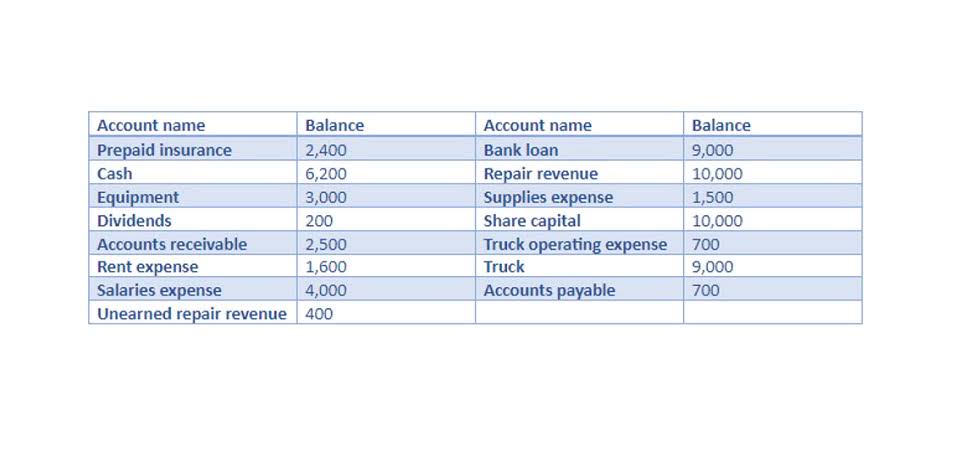
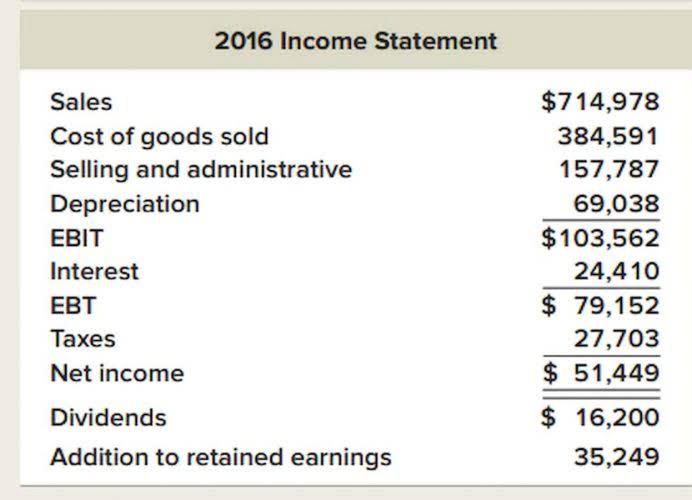
The “Net Income” figure is, ostensibly, your taxable profit. To add a new transaction, click the “Transactions” link on the left-hand side of the page, and select the “Add transaction” link on the top right. Select the type of transaction, which will usually be either a business expense or business income. You can then enter a description, a total and a transaction category. Choose “Business Income” if you want to record a payment you’ve received, or select from the range of expense categories available. QuickBooks Self-EmployedOpens a new window is a cash-based system, so you have to manually enter each expense and payment you receive.
Swipe left for business
Stay updated on the latest products and services anytime anywhere. When you first sign up, you can choose between QuickBooks’ 30-day free trial or a three-month discount, usually between 50% and 70%. Due to its emphasis on tax savings, we primarily recommend QuickBooks Self-Employed to freelancers with uncomplicated finances, a relatively small client base, and a fair amount of work-related expenses. While using this intuitive software is relatively straightforward, you need to know you’re using the system correctly if you want accurate accounts at the end of the year.
- QuickBooks Self-Employed has a sleek interface, low learning curve, and helpful tax deductions—all of which should appeal to freelancers who need just the basics.
- You can tell QuickBooks that deposits from a specific client should always be marked business income, for example, or that transactions at Staples should always be designated as business office expenses.
- You can choose to view the report for the current tax year, the previous tax year, by month or for the last quarter.
- First of all, QuickBooks Self-Employed includes built-in mileage tracking—a crucial feature if you plan to include business travel as a tax write-off.
- However, it’s important to note that settled invoices don’t carry over to your tax summary and profit and loss report automatically.